Stage IV lung cancer survivor: Targeted therapy and surgery left me cancer-free


Lung Cancer Rising Among Non-smokers — Here's Why
Cigarette smoking is by far the biggest risk factor for lung cancer, data shows — but in a surprising turn of events, the most common form of the disease is primarily found in non-smokers.
Researchers at the International Agency for Research on Cancer (IARC) analyzed global trends in four main lung cancer subtypes: adenocarcinoma, squamous cell carcinoma, small-cell carcinoma and large-cell carcinoma.
They found that adenocarcinoma has been the most "predominant subtype" in recent years, according to a press release summarizing the study. Younger females were found to be at a particularly high risk.
US NAVY VETERAN BEATS CANCER WITH EXPERIMENTAL TREATMENT AND RELIANCE ON FAITH
The study was published in The Lancet Respiratory Medicine earlier this month, based on global cancer data from 2022.
Adenocarcinoma — which starts in the cells lining the air sacs in the lungs — is the most common type of lung cancer among people who have never smoked, comprising up to 50% of diagnoses in that group, per the Centers for Disease Control and Prevention (CDC).
Worldwide, adenocarcinoma made up more than 45% of lung cancer cases in males and nearly 60% of female cases, data shows. (iStock)
Air pollution was cited as a key driver of this type of lung cancer, with the highest levels reported in East Asia, particularly China, the release stated.
Worldwide, adenocarcinoma made up more than 45% of lung cancer cases in males and nearly 60% of female cases.
"Air pollution can lead to adenocarcinoma of the lung, which is almost 50% of lung cancers."
"This population-based study seeks to better understand variations in lung cancer incidence by place and time according to its constituent subtypes. We examine changes in risk in different countries across successive generations and assess the potential burden of lung adenocarcinoma linked to ambient particulate matter (PM) pollution," said lead study author Dr. Freddie Bray, head of the Cancer Surveillance Branch at IARC, in the release.
"The results provide important insights as to how both the disease and the underlying risk factors are evolving, offering clues as to how we can optimally prevent lung cancer worldwide."
US NAVY VETERAN BEATS CANCER WITH EXPERIMENTAL TREATMENT AND RELIANCE ON FAITH
Dr. Marc Siegel, clinical professor of medicine at NYU Langone Health and Fox News senior medical analyst, was not involved in the study but discussed these lung cancer trends with Fox News Digital.
"The main reason for increasing rates in non-smokers is air pollution, which can lead to adenocarcinoma of the lung, which is almost 50% of lung cancers now," he confirmed.
Increased vaping rates are also associated with the ramp-up of lung cancer rates, the doctor noted.
Increased vaping rates are also associated with the ramp-up of lung cancer rates, according to Dr. Siegel. (iStock)
"Secondhand smoke also continues to be a factor, even though smoking rates have fallen dramatically," Siegel said.
Genetic risk factors may also come into play and "need to be further explored," according to the doctor.
"Artificial intelligence can play a huge role here in terms of early diagnosis and pattern recognition, even before discrete lung nodules develop," he added. "However, lung CT scans remain the best diagnostic tool for those at risk."
"Pollutants in the air, such as particulate matter and industrial emissions, can damage lung tissue and lead to cancer over time."
Marianne Matzo, PhD, a certified advanced nurse practitioner in Norman, Oklahoma, agreed that poor air quality and pollution can contribute to lung cancer. (Matzo also operates Everyone Dies, a nonprofit organization that aims to educate the public about the processes associated with dying and death.)
For more Health articles, visit foxnews.Com/health
"Pollutants in the air, such as particulate matter and industrial emissions, can damage lung tissue and lead to cancer over time," Matzo, who was not part of IARC's research, told Fox News Digital. "This complicates the diagnosis and treatment process."
Some veterans who have been exposed to hazardous materials may also face a higher risk of lung cancer, she noted.
STUDY LINKS MENTAL HEALTH RISKS TO THIS TOXIN FOR THOSE BORN IN '60S OR '70S
"Veterans based in the Middle East (in particular Afghanistan and Iraq) were exposed to burn pits," said Matzo, who worked in oncology at the VA hospital.
"The waste included paints, solvents, human and medical waste, trash, and plastics that were ignited with JP-8 jet fuel, which contains benzene."
One doctor told Fox News Digital that some veterans who have been exposed to hazardous materials may also face a higher risk of lung cancer. (iStock)
"We are starting to see the effects of the pollution from those pits on young vets being diagnosed with lung cancer."
Exposure to high doses of radiation, as well as chemicals like asbestos and benzene, can also increase the risk of developing cancer, she cautioned.
CLICK HERE TO SIGN UP FOR OUR HEALTH NEWSLETTER
"Bacterial and viral infections can also cause genetic mutations and chronic inflammation, which contribute to the development of cancer."
In some cases, lung cancer can develop seemingly at random with no direct cause.
"Secondhand smoke also continues to be a factor, even though smoking rates have fallen dramatically," one doctor said. (iStock)
"What people miss when they say, 'I never smoked a day in my life, how could I have lung cancer?' are the variables of chance and genetics," Matzo added. "We can't control our genetics, and there can be genetic predispositions to cancer."
Ravi Salgia, M.D., Ph.D., medical oncologist and chair of the Department of Medical Oncology & Therapeutics Research at City of Hope in California, noted that there is "considerable variability" of lung cancer subtype based on geography and gender.
CLICK HERE TO GET THE FOX NEWS APP
"There are a number of potential causes of lung cancer — smoking, pollution, radon exposure and genetics, for example," Salgia, who was also not involved in the research, told Fox News Digital.
"More research is needed to determine the exact causes of lung cancer and the progression of this cancer. It is indeed concerning that pollution can potentially lead to lung cancer. We truly need to understand how the disease develops and ultimately how to better prevent and treat it."
Melissa Rudy is senior health editor and a member of the lifestyle team at Fox News Digital. Story tips can be sent to melissa.Rudy@fox.Com.
Small-Cell Lung Cancer
When cells of the lung start growing rapidly in an uncontrolled way, the condition is called lung cancer This disease can affect any part of the lung, and it's the leading cause of cancer deaths in both women and men in the United States, Canada, and China.
There are two main types of lung cancer. Small-cell lung cancer (SCLC), sometimes called small-cell carcinoma, causes about 10%-15% of all lung cancer. Non-small-cell lung cancer (NSCLC) causes the rest.
There are two main types:
Both include many types of cells that grow and spread in different ways. They're named according to what the cells look like under a microscope.
Small-cell lung cancer differs from non-small-cell lung cancer in some key ways. Small-cell lung cancer:
The main cause of both small-cell lung cancer and non-small-cell lung cancer is tobacco smoking. But small-cell lung cancer is more strongly linked to smoking than non-small-cell.
Even secondhand tobacco smoke can make you more likely to get lung cancer. If you live with a smoker, your chances of getting NSCLC go up by about 30%, and your odds of getting SCLC rise by about 60%. That's compared to people who aren't exposed to secondhand smoke.
All types of lung cancer develop more often in people who mine uranium, but small-cell lung cancer is most common. The prevalence goes up even more in uranium miners who smoke.
Exposure to radon -- an inert gas that develops from the decay of uranium -- has been reported to cause small-cell lung cancer.
Exposure to asbestos greatly increases the risk of lung cancer. A combination of asbestos exposure and cigarette smoking increases the risk even further.
People with small-cell lung cancer typically have symptoms for about 2 to 3 months before they visit their doctor.
The symptoms can result from local growth of the tumor (meaning growth in the lung where it started), spread to nearby areas, distant spread, paraneoplastic syndromes, or a combination of some of these.
Some symptoms due to local growth of the tumor are:
Some symptoms due to the spread of the cancer to nearby areas are:
Symptoms due to the distant cancer spread depend on where it spreads. Here are some examples:
Some symptoms due to paraneoplastic syndromes are:
Call your doctor right away if you have any of these symptoms:
Call 911 if you have any of these symptoms:
If your doctor thinks you might have lung cancer, they'll give you a physical exam. They'll also ask about your health history, your work, any surgeries you've had, and whether you smoke or have in the past.
They may also give you exams and tests like these:
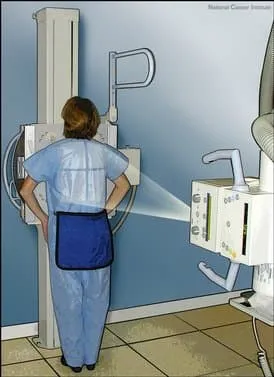
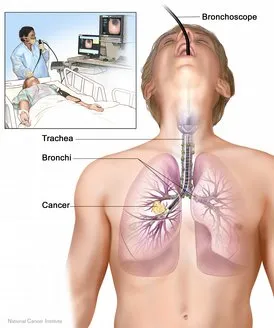
If your doctor diagnoses you with lung cancer, they'll recommend you get other exams and tests to find out whether the cancer has spread (metastasized) to other organs. These tests help determine the stage of the cancer.
Staging is important because lung cancer treatment is based on the stage of the cancer. Tests used to detect the spread of cancer may include:
Staging
Staging of the cancer provides important information about the outlook of your condition and helps your doctor plan the best treatment. Small-cell lung cancer has two stages: limited and extensive. That makes it different from other cancers, which go from stage I to stage IV.
Limited stage SCLC. In this stage, the tumor is confined to one side of the chest, the tissues between the lungs, and nearby lymph nodes only.
About 1 in 3 people with SCLC have limited stage cancer when they first get diagnosed.
If that's you, your doctor might recommend aggressive treatments -- meaning more intense than usual – to try to cure your cancer. For example, they might give you chemotherapy combined with radiation.
Extensive stage SCLC. In this stage, cancer has spread from the lung to other parts of the body. About 2 in 3 people with SCLC have extensive disease when they first get diagnosed.
Treatment can't cure the disease, but it could ease your symptoms and help you live longer.
Some of the most commonly used combinations of medications used for SCLC are carboplatin (Paraplatin), cisplatin (Platinol- AQ), cyclophosphamide (Cytoxan), docetaxel (Taxotere), doxorubicin (Adriamycin, Rubex), etoposide (Vepesid), irinotecan (Camptosar), lurbinectedin (Zepzelca), paclitaxel (Onxol, Taxol), topotecan (Hycamtin), and vincristine (Oncovin).
Treatment of limited-stage SCLC
Standard treatment of small-cell lung cancer involves combination chemotherapy with a regimen that includes cisplatin. Treatment cycles are typically repeated every 3 weeks. People receive treatment for four to six cycles.
Radiation therapy to the chest may be started as early as possible, or it may be given later in the course of treatment. This depends on things like the stage of your cancer and your overall health.
Radiation and chemotherapy: Some people get radiation followed by chemotherapy. But studies show that the earlier the radiation is started along with chemotherapy (as early as the first cycle of chemotherapy), the better the outcome.
If you have limited disease and you've had a very good response to chemotherapy, your doctor may recommend radiation therapy to your brain to lower the chances of small-cell lung cancer spreading there.
This is called prophylactic cranial irradiation (PCI). It is usually given after you've completed the full chemotherapy and radiation therapy to the chest. Short-term side effects include fatigue, skin changes, and hair loss. Long-term side effects include possible radiation necrosis where some healthy brain cells may be killed due to radiation effects.
Treatment of extensive-stage small-cell lung cancer
People with extensive-stage small-cell lung cancer are treated with combination chemotherapy. The combination of etoposide plus either cisplatin or carboplatin is the most widely used regimen.
Radiation therapy may be used for relief of the following symptoms:
For people newly diagnosed with extensive small-cell lung cancer, doctors recommend adding either atezolizumab(Tecentriq) or durvalumab (Imfinzi) to be given along with immunotherapy.
Treatment of relapse of small-cell lung cancer
A relapse is when your cancer or the signs of it come back after improving for a while.
If the disease doesn't respond to treatment or gets worse after your initial treatment (called "refractory disease"), your doctor has other ways to ease your symptoms and help you live somewhat longer. They may recommend immunotherapy. If you're not considered a candidate for immunotherapy, doctors typically use chemotherapy with topotecan (Hycamtin).
People whose cancer doesn't get worse for more than 3 months may be given more chemotherapy, including another treatment with their original chemotherapy regimen.
People with relapsed or refractory small-cell lung cancer may enroll in a clinical trial. For information about ongoing clinical trials, visit the National Cancer Institute's Clinical Trials.
Your doctor can give you medicines to prevent and treat side effects of radiation, chemotherapy, or symptoms of the cancer itself, such as nausea or vomiting. Pain medications are also important to relieve any pain due to cancer or its treatment.
Surgery
Surgery plays little, if any, role in the treatment of small-cell lung cancer because almost all cancers have spread by the time they are discovered.
The exceptions are the relatively small number of people (less than 15%) who get diagnosed at a very early stage of the disease, when the cancer is confined to the lung without any spread to the lymph nodes. But surgery alone is not considered a possible cure, so they also get chemotherapy. Sometimes they also need radiation therapy if the cancer has spread to the nearby lymph nodes.
Other Therapy
Radiation therapy
Radiation therapy is the use of high-dose X-rays or other high-energy rays to kill cancer cells. Radiation can be given from outside the body using a machine (external radiation therapy), or it can be given with the help of radiation-producing materials that are implanted inside the body (brachytherapy).
Radiation therapy can be curative (kills all cancer cells), prophylactic (meaning it reduces the risk of cancer spreading to the area to which it is given), or palliative (helps ease pain and other symptoms).
Follow-up
Palliative and terminal care
Because small-cell lung cancer is diagnosed in most people when it is not curable, palliative care becomes important. The goal of palliative and terminal care is to manage pain and discomfort and enhance the quality of life.
Palliative care not only focuses on comfort but also addresses the concerns of the patient's family and loved ones. Caregivers may include family and friends in addition to doctors, nurses, and other health care professionals.
Palliative and terminal care is often given in a hospital, hospice, or nursing home; however, it can also be provided at home.
Lung cancer is linked to several known risk factors for the disease. The main cause of lung cancer is tobacco smoking. So the most important way to help prevent lung cancer is to quit smoking.
Products that are available to help quit smoking include nicotine gum, medicated nicotine sprays or inhalers, nicotine patches, and oral drugs. Group therapy and behavioral training can also help you kick the habit.
For information about how to quit smoking, visit Smokefree.Gov.
Other risk factors for lung cancer include exposure to secondhand tobacco smoke, and workplace carcinogens such as asbestos, radon, and uranium. Take precautions to avoid being exposed to these harmful substances.
The success of treatment depends on the stage of small-cell lung cancer.
Unfortunately, in most people with small-cell lung cancer, the disease has already spread to other organs of the body by the time it is diagnosed. That shortens life expectancy.
The 5-year survival rate is between about 3% and 30%. That's the percentage of people who are alive 5 years after they were diagnosed with or started treatment for a disease.
There's no cure for advanced-stage small-cell lung cancer, but doctors have lots of ways to improve your quality of life and ease any symptoms of the cancer or its treatment.
Support groups and counseling can help you feel less alone and can improve your ability to deal with the uncertainties and challenges that cancer brings.
Cancer support groups provide a forum where patients with cancer, survivors of cancer, or both, can discuss the challenges that accompany the illness, as well as guide you in dealing with your concerns.
Support groups provide an opportunity to exchange information about the disease, give and take advice about managing side effects, and share feelings with others who are in a similar situation.
Support groups also help your family and friends deal with the stress of cancer.
Many organizations offer support groups for people with cancer and their loved ones. You can get information about such groups from your doctor, nurse, or hospital social worker.
The following organizations can help you with support and counseling:
Small-Cell And Non-Small-Cell Lung Cancer: What's The Difference?
Lung cancer is the leading cause of cancer deaths among both men and women. Small-cell lung cancer (SCLC) and non-small-cell lung cancer (NSCLC) are the two main types of lung cancer. Most lung cancers are NSCLC. Only about 15% of lung cancers are SCLC.
Their names stem from what their cells look like when you look at them under a microscope. SCLC cells look round and undersized in comparison to NSCLC cells. But the big difference is how aggressive they are. SCLC is more aggressive than NSCLC and often spreads to other parts of your body.
Here are the facts about SCLC and NSCLC and how they differ.
Small-cell lung cancer is when abnormal cells in your lung grow fast and uncontrollably. It's an aggressive form of cancer that often starts in your airways and then spreads, or metastasizes, to other parts of your body.
There are two types of SCLC, which are based on which cells are affected:
For most people, by the time you're diagnosed with SCLC, it has already spread to other parts of your body. The areas may include:
Non-small-cell lung cancer is a group of lung cancers that are different from SCLC. It's more common and less aggressive than SCLC. But it's important to catch it early so it doesn't spread to other areas.
The most common types of NSCLC are:
The main difference between SCLC and NSCLC is how aggressive they are. Another difference is how common they are. NSCLC is a less aggressive and more common form of lung cancer than SCLC.
Your doctor will know which type of lung cancer you have when they take a biopsy, or small sample of the tumor, and send it to a lab, where scientists will examine it under a microscope. They'll also see where the cancer started and how abnormal the cells are.
It's possible you won't notice any symptoms of lung cancer, especially in the early stages. It's common for doctors to find lung cancer when they do an X-ray for something else.
When present, symptoms of SCLC and NSCLC are similar:
Because SCLC is more likely to metastasize (or spread) early on, you may have symptoms that stem from lung cancer in other organs. They may include:
The main risk for both SCLC and NSCLC is smoking. About 98% of SCLC cases are linked to smoking tobacco. This includes cigarettes, pipes, and cigars.
The earlier you start smoking, the longer you smoke, and the more often you smoke, the higher your risk is. If you already smoke, quitting now lowers your chances of developing lung cancer.
It's best to avoid secondhand smoke, too, because it's also a risk factor.
Other risk factors for SCLC include:
Other risk factors for NSCLC include:
The more risk factors you have, the higher chance you have of developing lung cancer.
Lung cancer develops and progresses quickly. This is why it is often diagnosed at an advanced, incurable stage. Screening for lung cancer has been introduced for high-risk people in order to catch lung cancers early when there is still a chance of cure.
If you have a history of smoking, your doctor may do regular CT screenings. The American Society of Clinical Oncology recommends with low-dose CT if you're 50 - 80 and currently smoke or if you previously smoked and have at least a 20-pack-year history or you quit within the last 15 years. Screenings can stop when you've been smoke-free for 15 years or have a health problem that limits your treatment options or life expectancy.
Lung cancer screening for high-risk people is helpful because SCLC and some types of NSCLC grow fast and lung cancer are frequently not diagnosed before you notice symptoms. Survival depends on early diagnosis.
If your doctor is worried about lung cancer, they may:
They may also run tests and scans, including:
If they think you have lung cancer, they'll take a biopsy of the abnormal area in the lung to evaluate for cancer cells.
There are different options for treating lung cancer. The treatment you get depends on the type and stage of your lung cancer, and other factors like your age and overall health.
Lung cancer treatment may include:
The most common type of treatment for SCLC is chemotherapy. Your doctor may recommend combining it with radiation.
If you have NSCLC and it hasn't affected a large part of your lungs or spread to other areas of your body, your doctor may recommend surgery to remove the cancer cells.
You may consider joining a clinical trial. This is a study done to research lung cancer and find out if new treatments are safe and effective, or if they're better than standard treatment.
Some clinical trials may offer a better treatment for your cancer. Talk to your doctor about options.
The outlook for NSCLC is better than SCLC.
Most people find out they have SCLC when it's already spread to other parts of their body. Early detection helps, but it's often found late because you may not have symptoms.
With SCLC, the 5-year survival rate is about 7%. Without treatment, survival is about 2 to 4 months. With treatment, it's longer. If you have chemotherapy, it may be about 10 months. Even if treatment is successful, the cancer often comes back.
For men, SCLC is the leading cause of cancer-related death. For women, it's the second most common cause of cancer-related death.
Your chance of survival is higher for NSCLC, but it depends on a variety of factors. They include:
The 5-year relative survival rate for NSCLC may range from 64% if you catch it early and it hasn't spread outside your lung, to 8% if it has spread to other areas of your body like your brain, bones, liver, or other lung.
For SCLC, the 5-year relative survival rate may range from 30% in early stages to 3% if it has spread to other parts of your body.


Comments
Post a Comment